

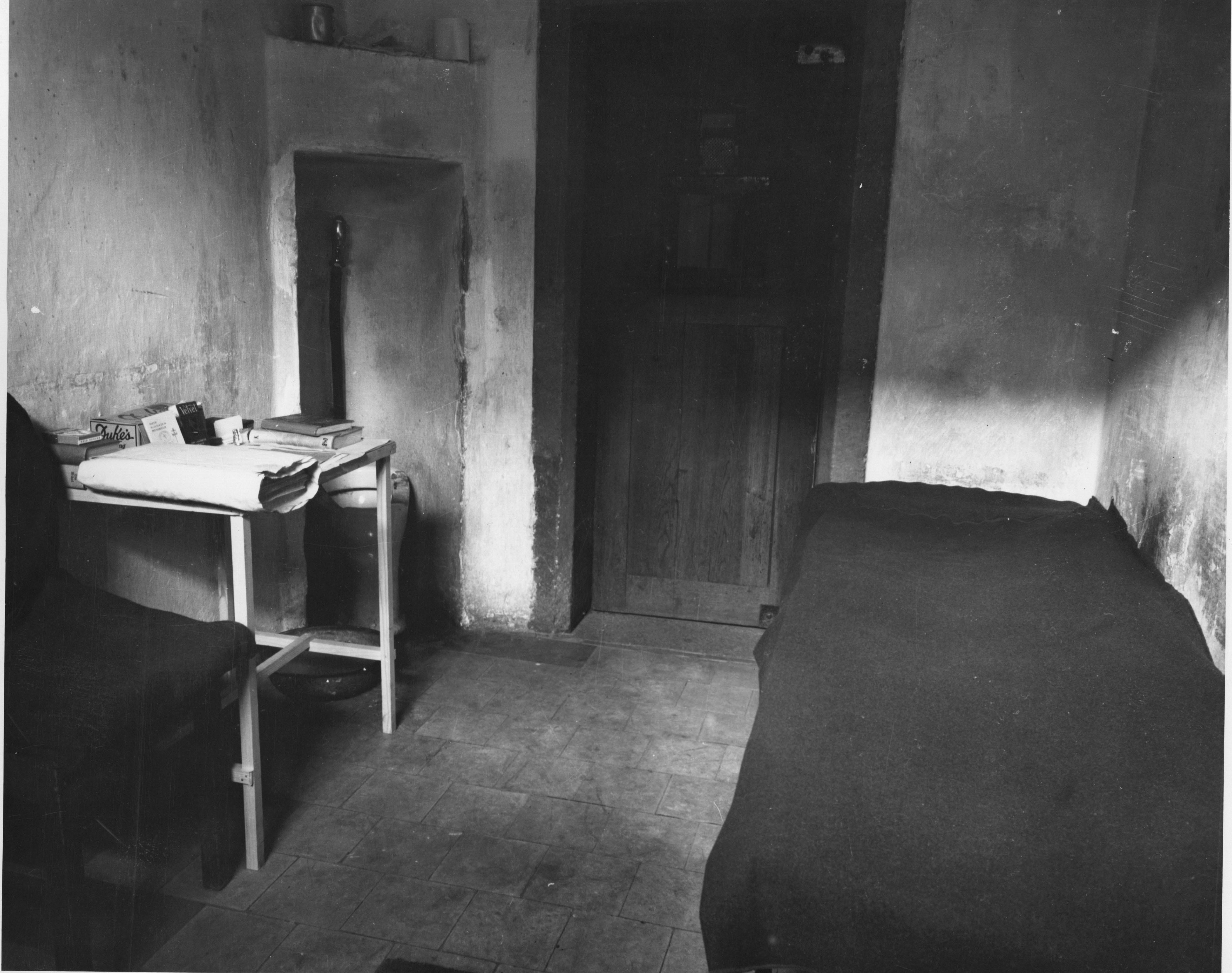
The Nazi prisoners whose letters appear in Dying We Live were German, and Christian, and most of them died for their faith. They wrote to their parents and their wives, their children and their friends; sometimes, they wrote for themselves, in secret diaries and memoranda. I learned about the letters from Philippa Foot, who mentions them in Natural Goodness. Foot was investigating human flourishing and the human good, and she came to assert that virtue was “inseparable” from happiness. The letters were a challenge, or a test, for this thesis. Did not these men and women give up, or lose, a happy life to the demands of virtue? Foot decided they did not: to enjoy another springtime, to play again with one’s kids, after failing to resist, or to speak out against, the Nazi evil, would not be a happy life. For Foot this conclusion, it seems, was hard won; the letter-writers “puzzled” her “for many years.” I would not say they puzzled me. Reading the letters will eat at your mind. And the things I read, that I cannot shake, had nothing to do with happiness or virtue.
What does one write about, in prison, unjustly accused, knowing one will die? What would you write about? These writers found their attention drawn to nature, to details and particularities, and they delighted in it:
Today is a beautiful day. You are somewhere in the fields or in the little garden....I was out walking, I was in the open air, which was full of the essence of spring, or warmth, the shimmer and scent of memories. The naked nerve of the soul was stirred by the poetry of the commonplace, the smell of boiled potatoes, smoke and the clatter of spoons, birds, sky, being alive—the everyday pulse beat of life.
What they see in nature, often reflects their own condition. In trees and seeds and fields they see themselves, and in describing the outside world they express their inner struggle with the nearness of death: