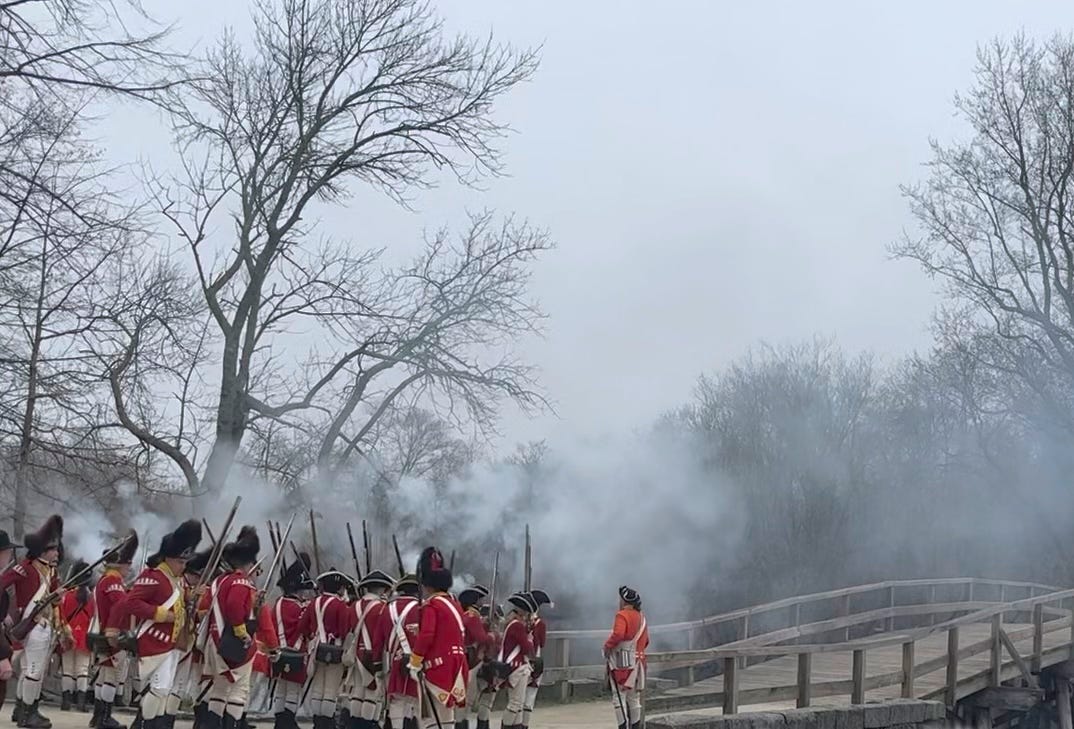
Paul Revere’s Ride, by Henry Wadsworth Longfellow, is the most famous poem about the American Revolution, but it’s mostly myth. Revere did not wait in Charlestown, and watch
with eager search
The belfry-tower of the Old North Church,
to count the lanterns: no, he knew, before he left Boston, that the British were coming by sea. Nor was it
two by the village clock
When he came to the bridge in Concord town,
for Revere never made it to Concord: he was detained near Lexington by British Regulars. I don’t begrudge Longfellow his myth-making, and maybe there was a special need, as Civil War erupted, to remind America that
In the hour of darkness and peril and need,
The people will waken...
Still: Longfellow’s Revere is more theme park ride than man. It has thus been left for us, to put the man himself into a poem. And that call should be answered, for he, and the true events of that night, encapsulate the revolution as well as, or better than, Longfellow’s imaginings. It’s all there: the defiance; the assertion of rights; and the bold declaration of British overreach. “I was not afraid.”
Memorandum on Events of April 18
I was sent for by Doctor Joseph Warren,
The night of 18 April. He desired
I go to Lexington, and there inform
Adams and Hancock, that light troops and grenadiers
Were marching to the bottom of the Common,
Where boats were waiting; aiming, it was thought,
For Lexington, to take them prisoner
Or else destroy colonial stores in Concord.
I left at once, and crossed the Charles; in town,
Acquired a horse, and rode. The moon shone bright.
I sounded the alarm, then joined with Dawes,
When British officers accosted me.
They shouted, “God damn you—stop! One more inch
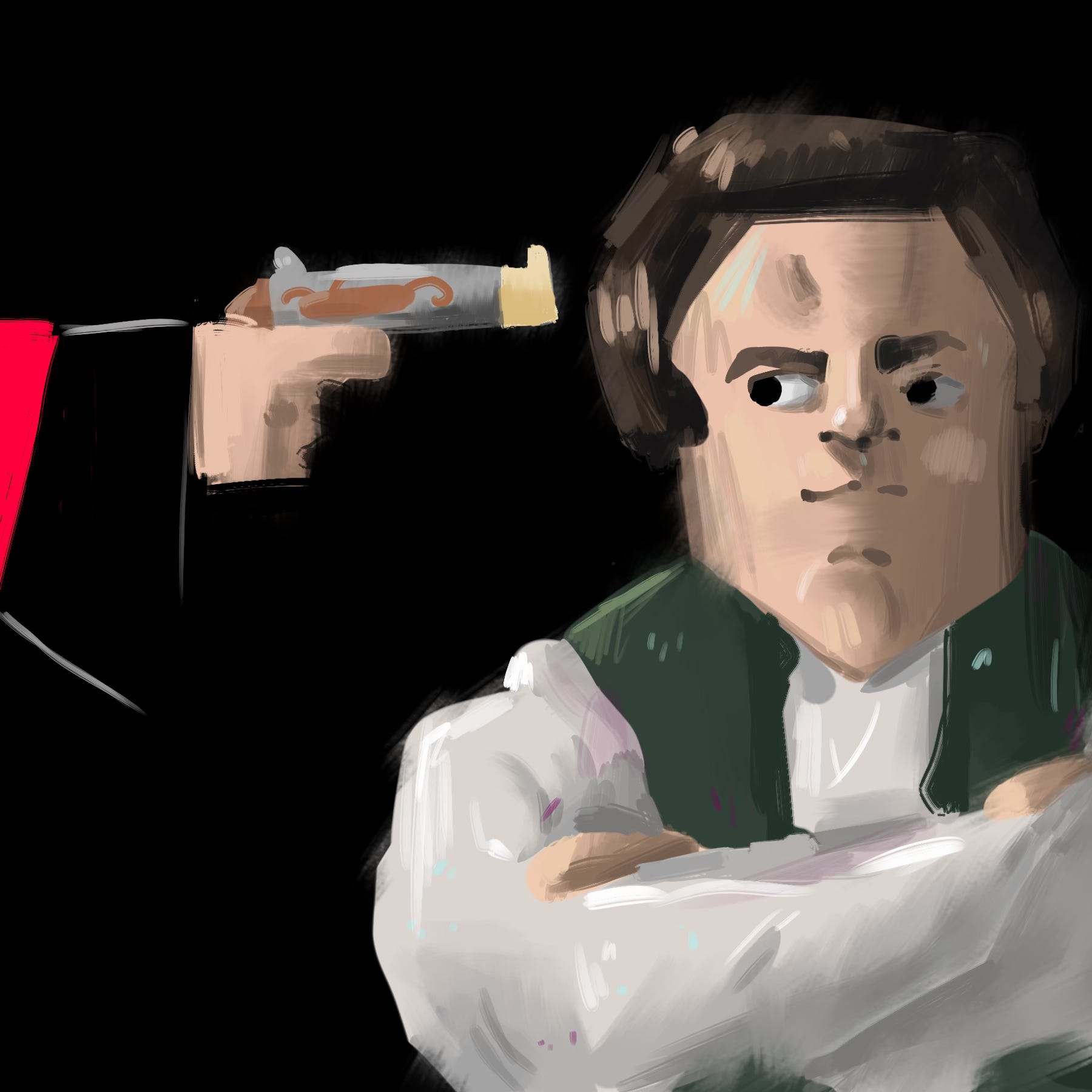
And you’re a dead man.” Pistol to my breast,
They ordered I dismount, and were surprised
To learn how early I had left from Boston.
But still the officers were confident.
I said they’d miss their aim: I knew what they
Were after, and I’d alarmed the countryside,
And I should have five hundred men there soon.
One of them clapped his pistol to my head:
“Tell the truth, or I will blow your brains out!”
I told him I esteemed myself a man of truth,
And that by what right he took me prisoner
I knew not; and that I was not afraid.
This poem is part of American Independence in Verse, available wherever books are sold.